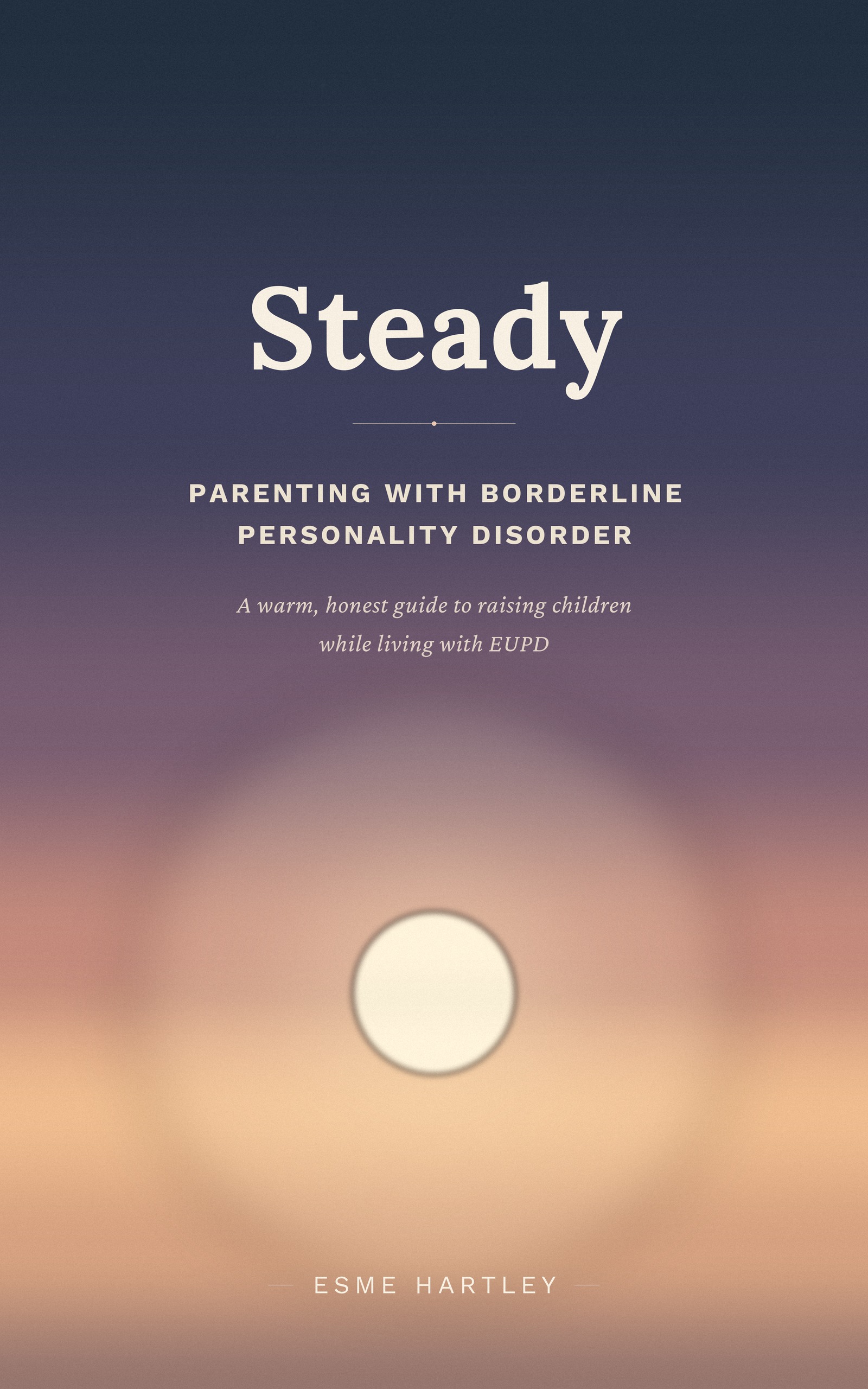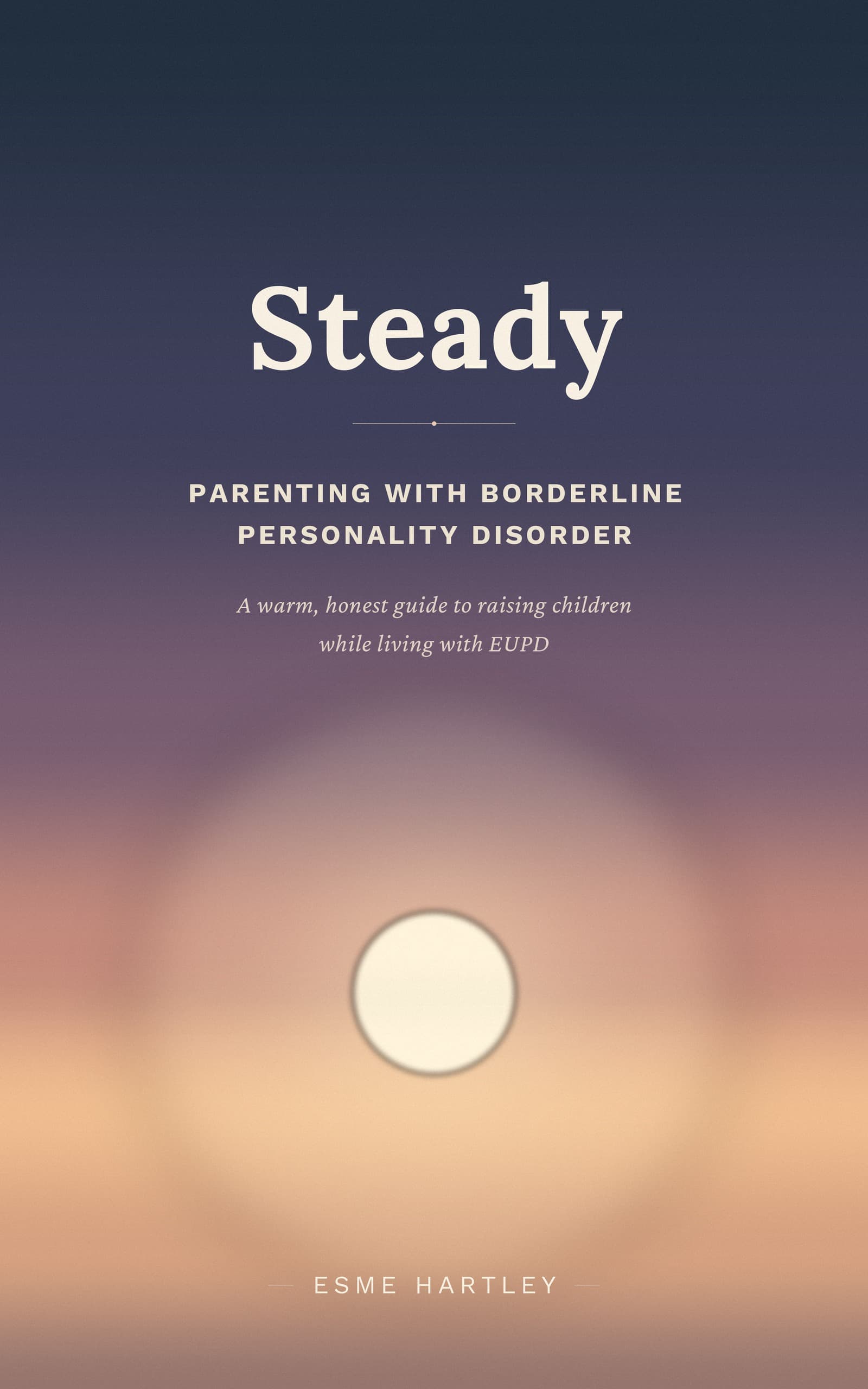
Steady
Parenting with Borderline Personality Disorder
For: EUPD / Borderline Personality Disorder
“You are not a danger to your children. You are a parent in pain who was never taught how to carry it, and that can change.”
Everything you need to write about, review, interview, or link to The Steady Series, gathered in one place. Nothing here is gated and nothing needs my permission first. Take what is useful, and if you need something that isn't here, ask me at the bottom of the page.
Three lengths. Use whichever fits, edited however you like.
Esme Hartley is a pen name. The books draw on real experience of parenting with a mental illness, and the children in that story did not choose to be written about. The name protects them.
That means there is no headshot and no author photograph, and there won't be one. If your format needs an image, the book covers and series graphics below work well, and plenty of shows have run an interview with cover art in place of a face. Voice-only interviews are fine. So are written questions.
If it is useful to your piece, the decision itself is worth writing about, and I am happy to talk about it on the record.
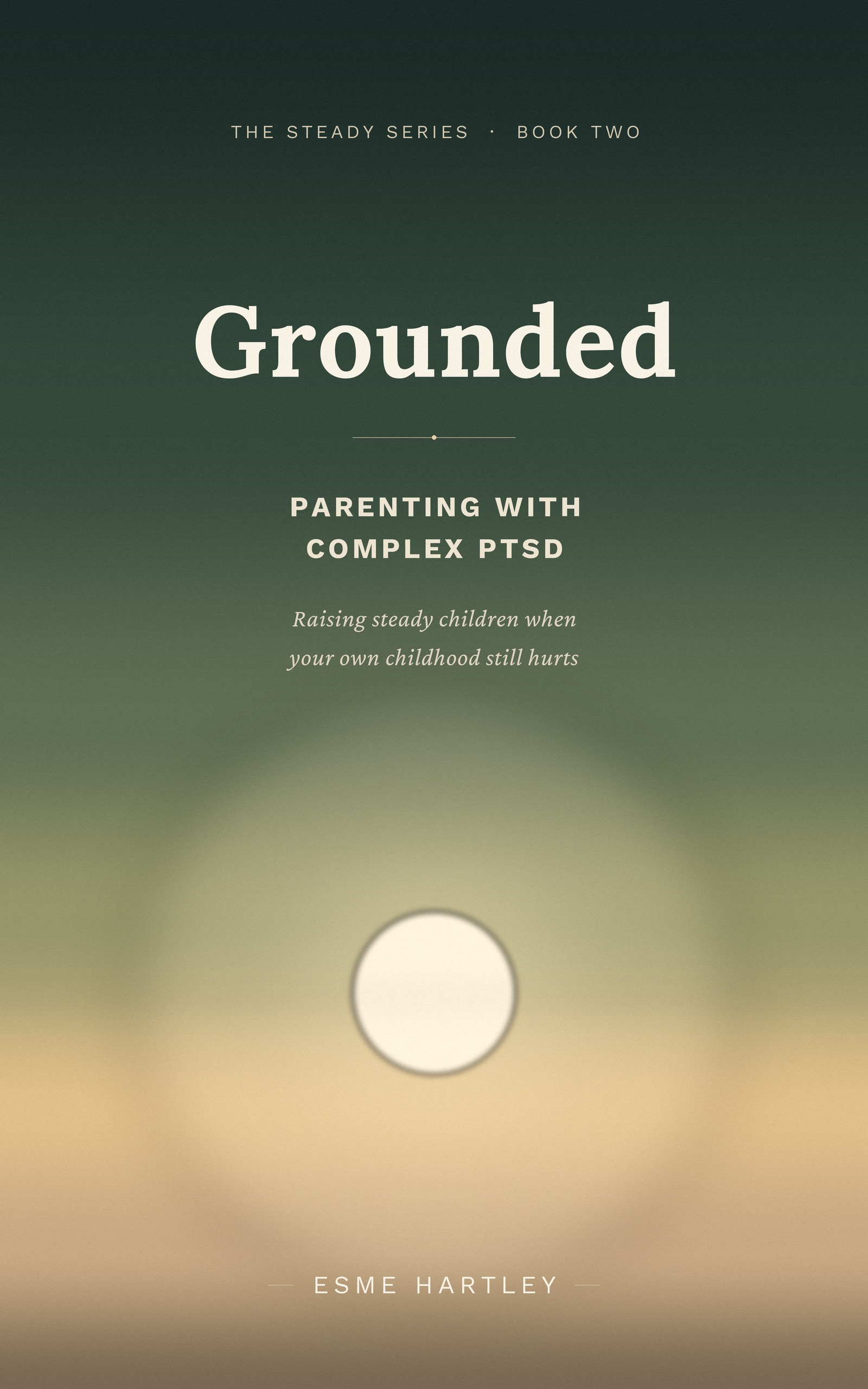
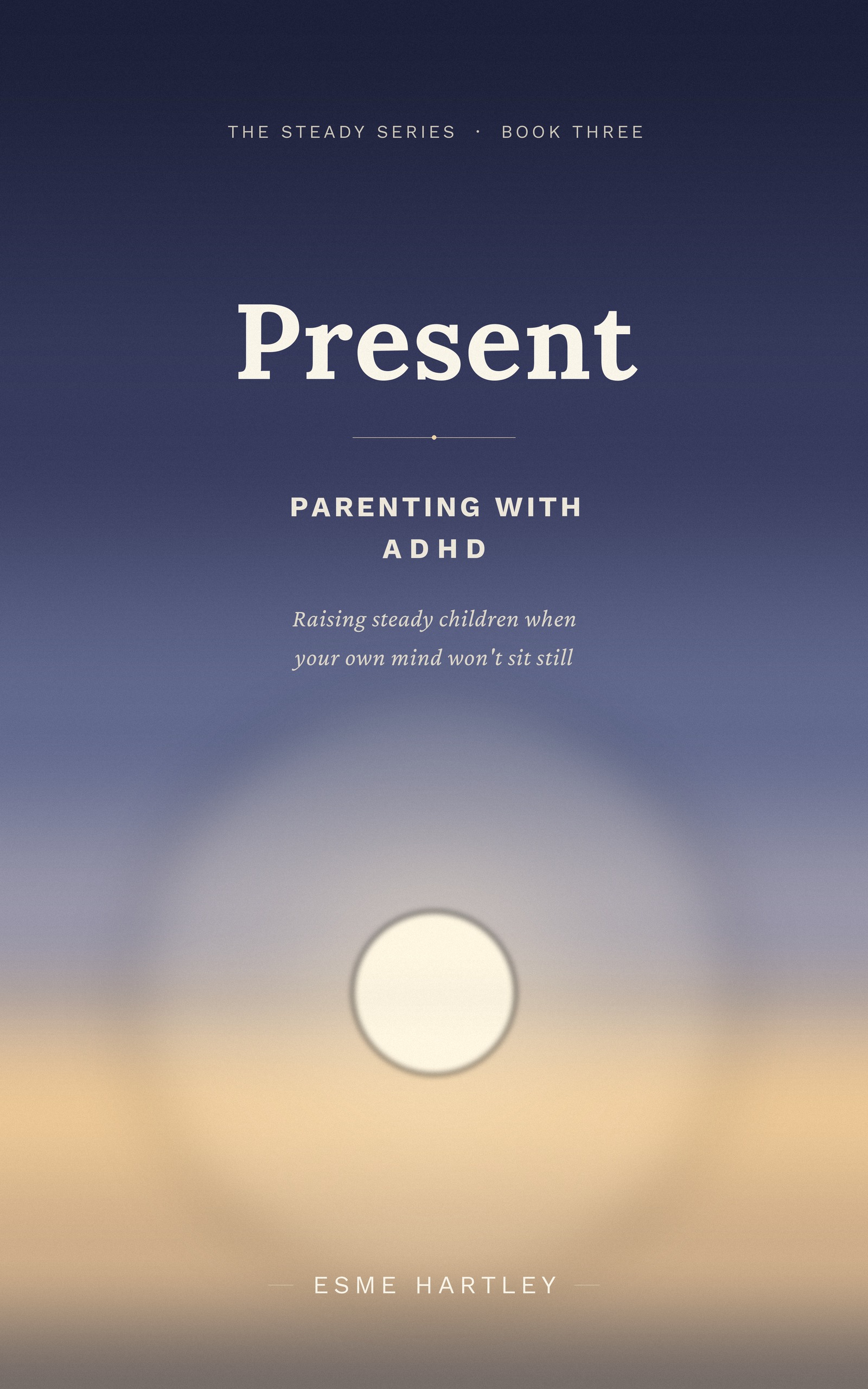
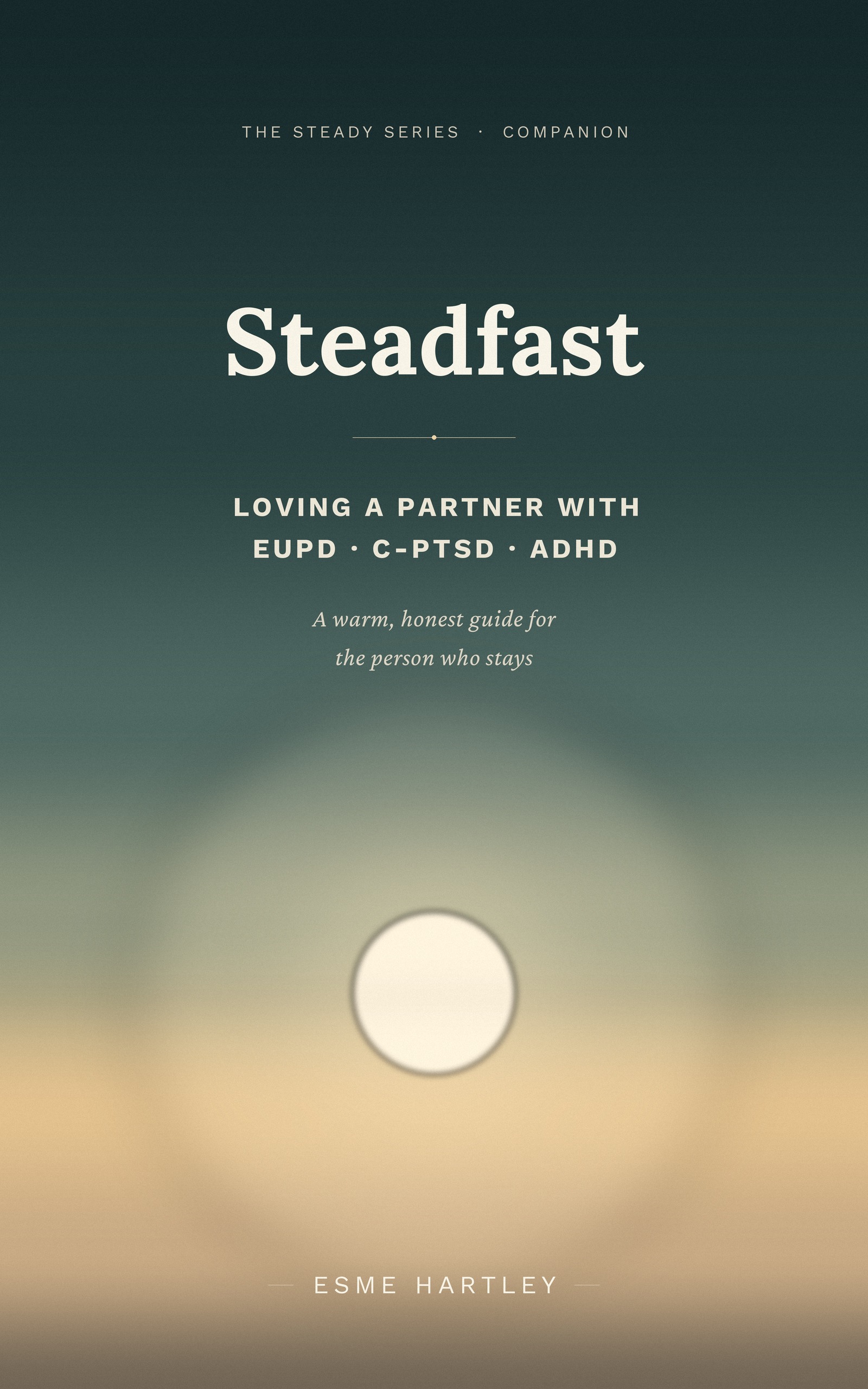
Cover images below are free to use in any piece about the books. Right-click to save, or ask me for higher resolution.
Parenting with Borderline Personality Disorder
For: EUPD / Borderline Personality Disorder
“You are not a danger to your children. You are a parent in pain who was never taught how to carry it, and that can change.”
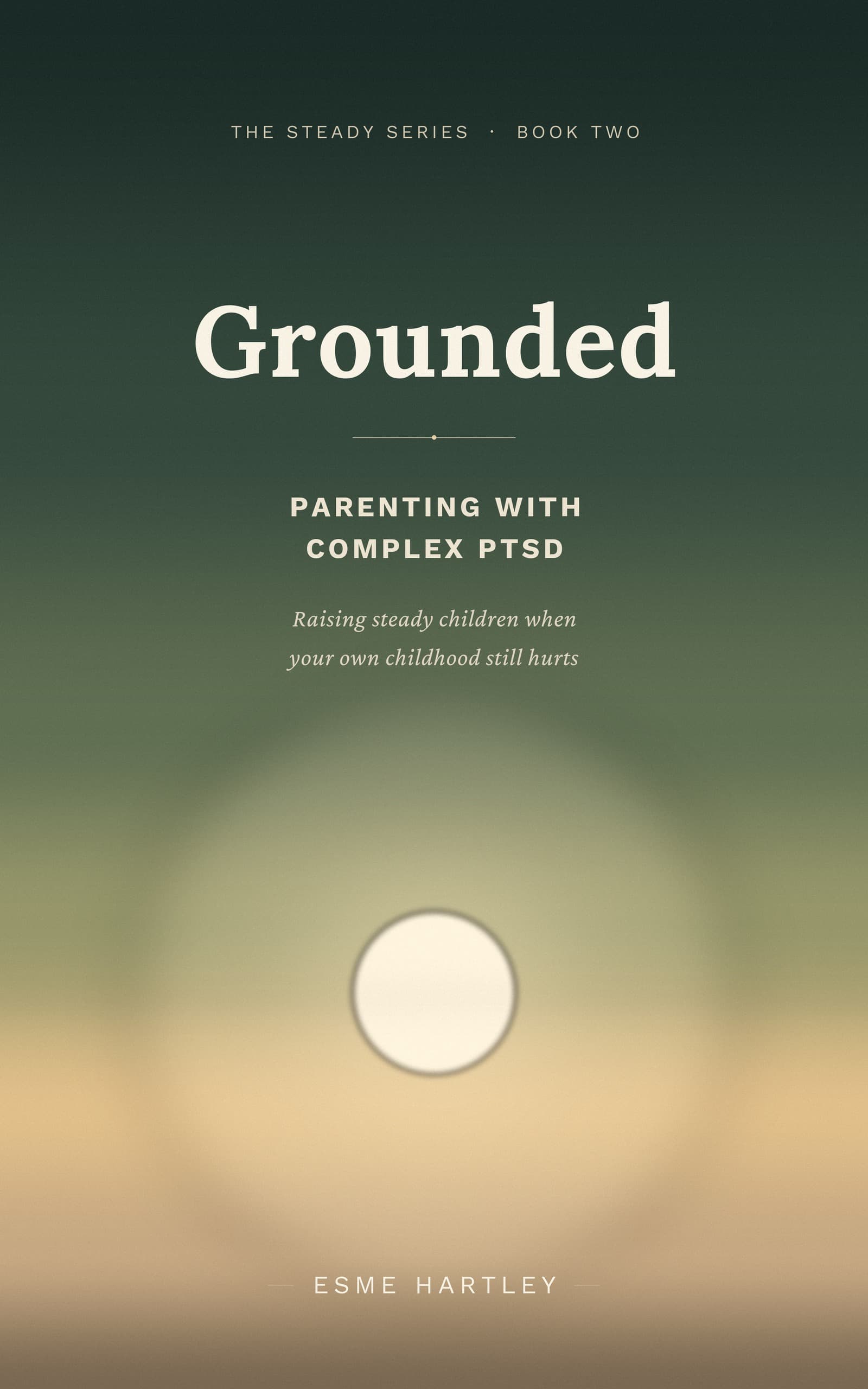
Parenting with Complex PTSD
For: Complex PTSD (C-PTSD)
“You are not the people who hurt you. And your past does not get the final word.”
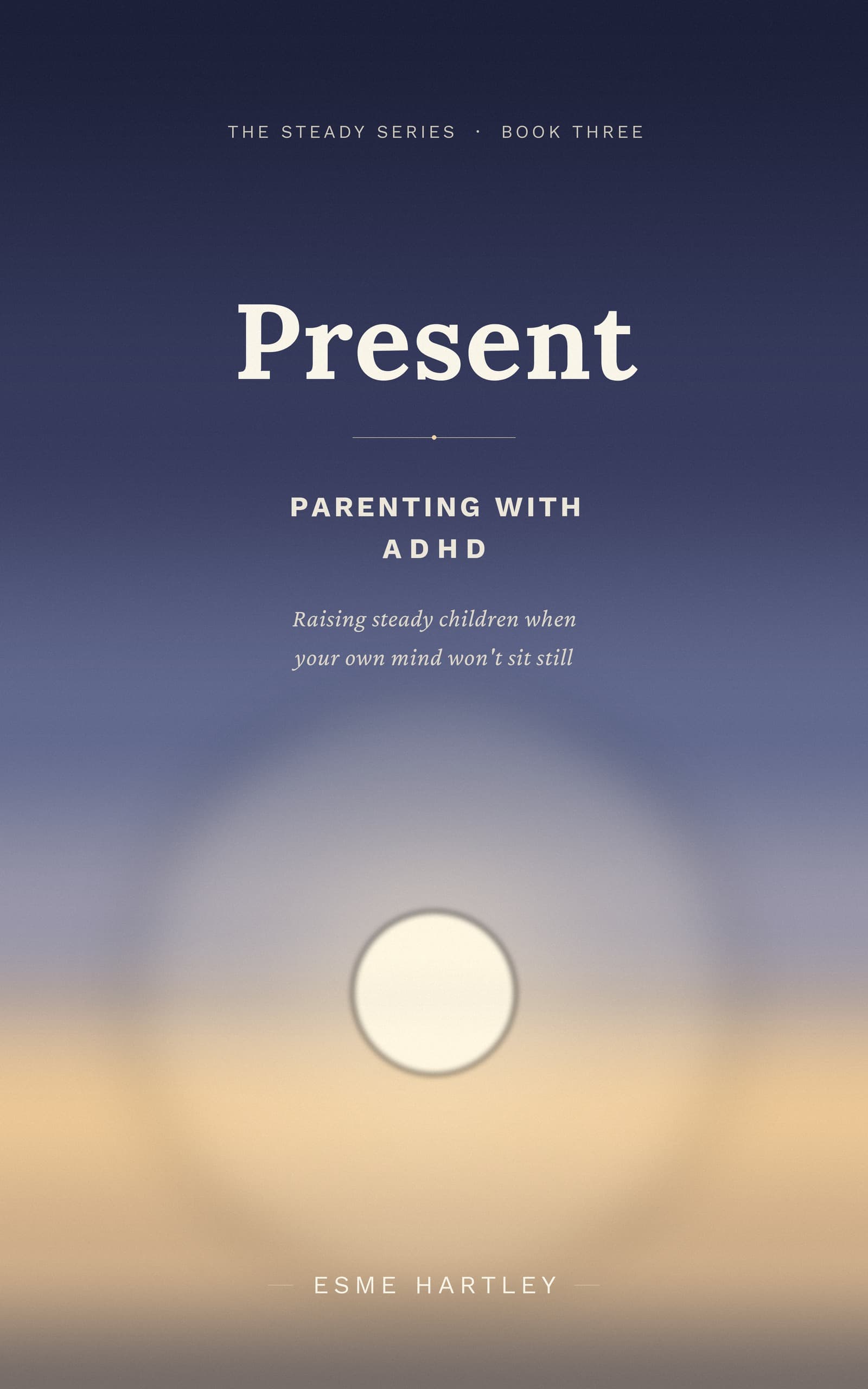
Parenting with ADHD
For: ADHD
“You are not lazy. You never were. You have a brain built for a different world, doing the hardest, most relentless job there is.”
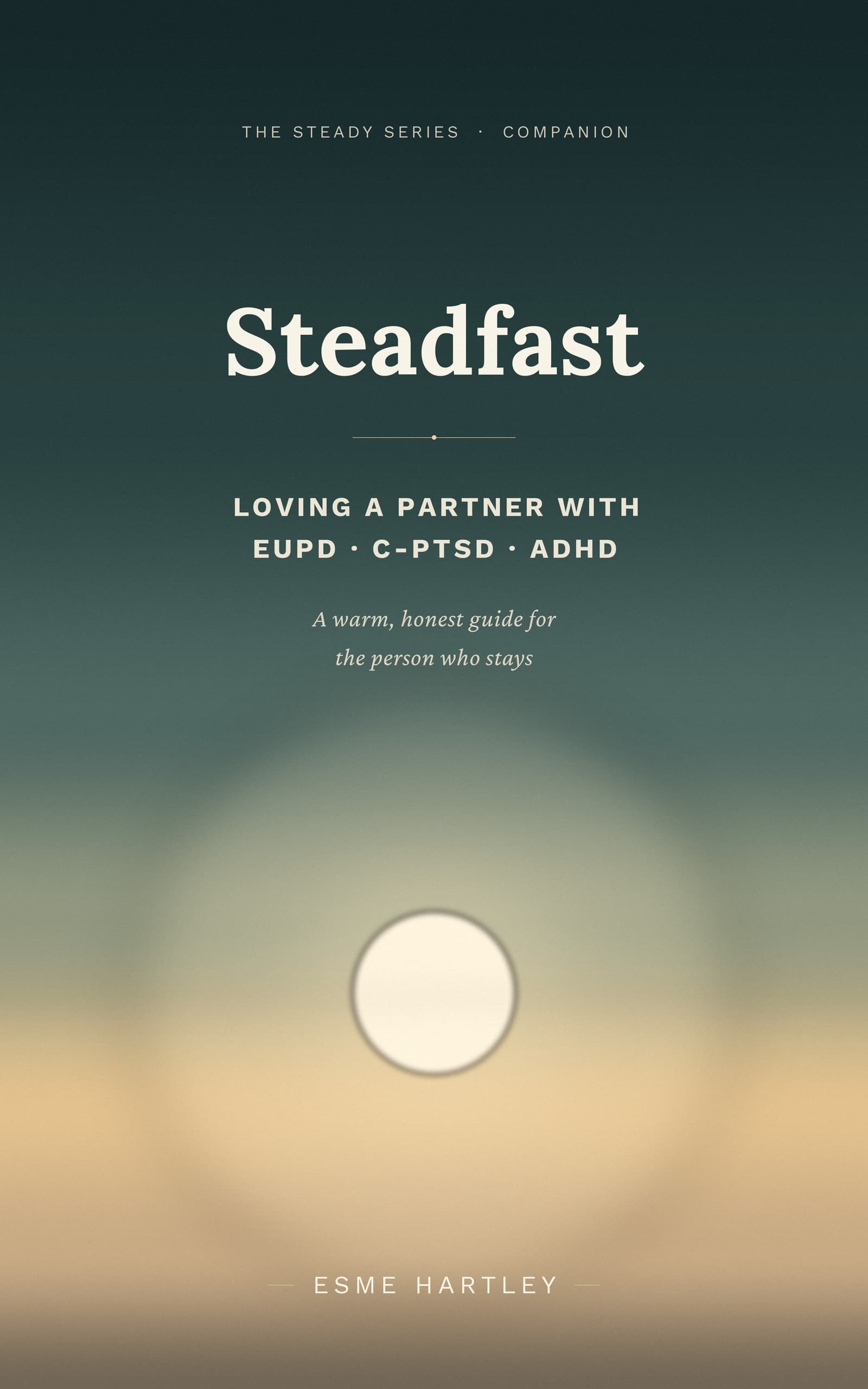
Loving and Supporting a Partner with EUPD, Complex PTSD, or ADHD
For: For partners
“For the person who stays. Loving someone who carries something heavy is one of the most generous, and hardest, things a person can do. And almost no one sees how much it costs you.”
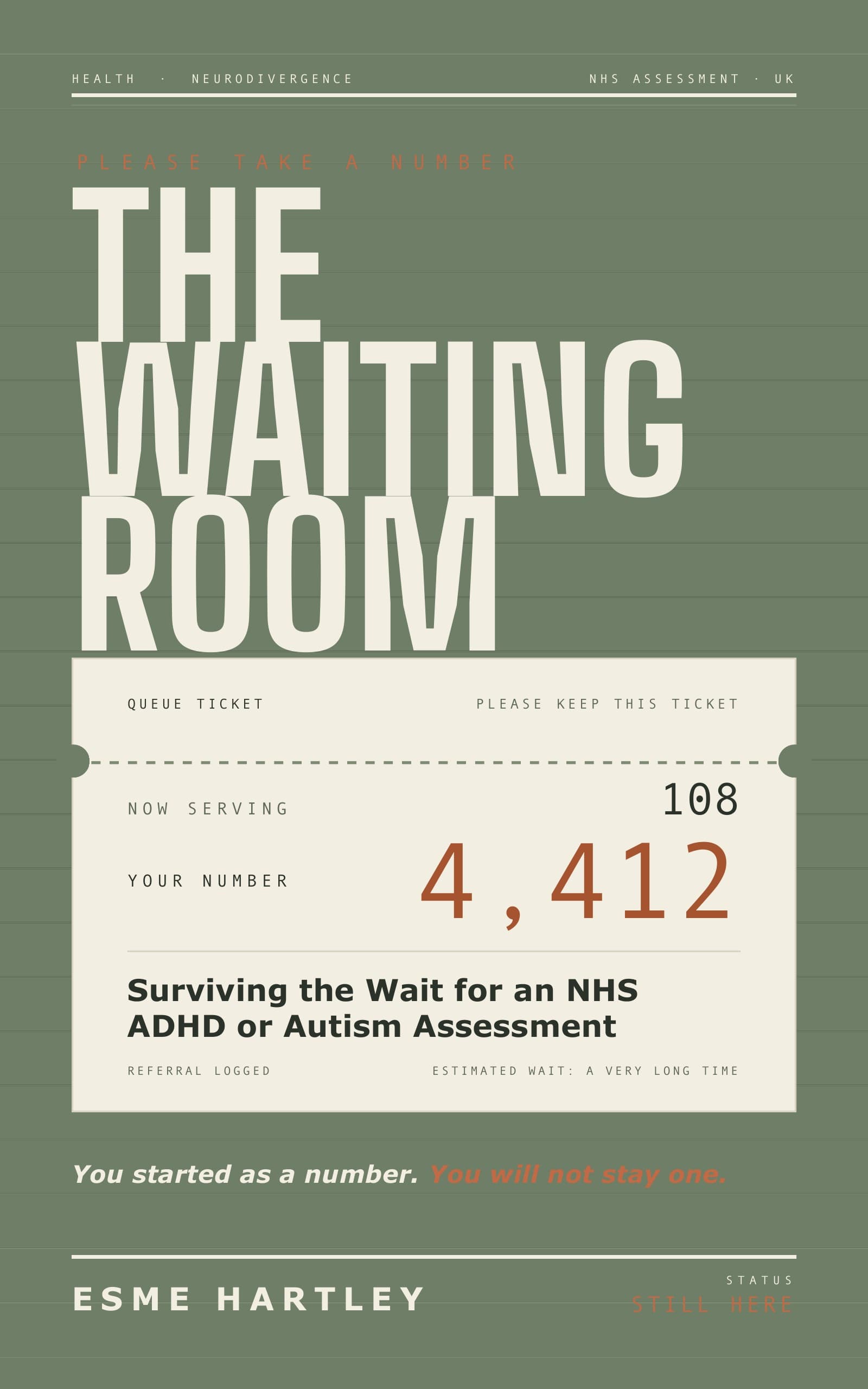
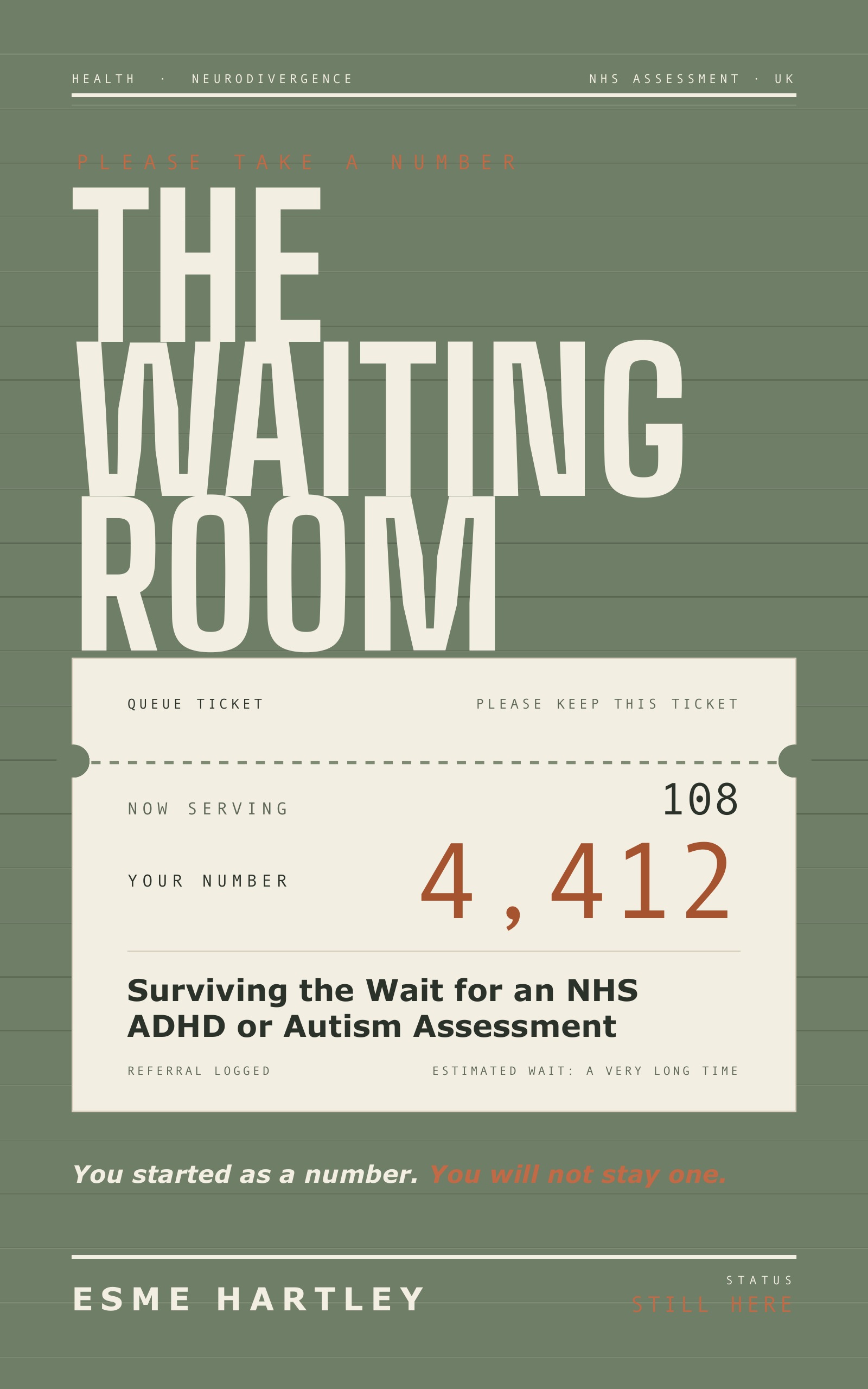
Surviving the Wait for an NHS ADHD or Autism Assessment
For: UK · ADHD & autism assessment
“You have been left in a queue that can run for years, often after a lifetime of being told you were fine. You are allowed to find that hard. This book shows you the moves that make the wait shorter where they can, and more survivable where they cannot.”
If you are linking for your readers rather than to a shop, the book pages on this site are the more useful destination. They carry the full description, what is inside, and the correct edition for whichever country the reader is in.
Any book in the series, in whichever format suits you. Tell me where you review and I'll send it over. No conditions attached, and no expectation of a positive review.
Written fresh for your readers, not a reprint of something already on my site. Twelve angles are listed below, or tell me what your audience actually needs and I'll write to that.
Voice only, or written questions if that suits your format better. The pen name means no photographs and no face, which most shows find easier than they expect.
On parenting with a mental illness, the rupture and repair idea, NHS waits and Right to Choose, or the stigma around personality disorder diagnoses. I answer journalist queries quickly.
If you keep a page of recommended reading or support for parents, I'd be glad to be on it. The free tools below are usually the more useful thing to list.
The six things I can speak to properly, for an interview, a panel, or a quote.
Secure parents are genuinely in tune with their children only about a third of the time. It is the repair afterwards that builds security, not the getting it right. This is the single most freeing idea for a struggling parent, and almost nobody has heard it.
There is no waiting room. Parents are routinely told, or tell themselves, that they have to be well before they can be good at this. They don't.
Untreatable. Manipulative. Dangerous parent. None of it is true, and the fear of being seen that way is what stops people asking for help.
Intergenerational trauma ends with the parent who learns to regulate and repair. That is a practical skill, not a personality.
Supporting someone who carries something heavy is invisible, generous, exhausting work, and almost no one names the cost. Steadfast does.
Protecting children's privacy when you write publicly about your own mental health. An ethical choice rather than a marketing one, and a question worth asking any writer who does this.
Each one is written fresh for your site, not reprinted from my own. Pick an angle, or tell me what your readers need and I'll write to that instead.
These are usually more useful to a reader than a book recommendation, and they are the easiest thing on the site to link to. They run entirely in the browser. No account, no sign-up, and nothing is sent to a server or stored by me.
Two cycles of daily scoring, which is the one thing a GP needs to see before diagnosing PMDD. Prints to a single sheet.
Emotions, urges, and the skills used against them, with a rupture and repair row for parents. The first thing a DBT therapist reads.
All nine criteria, shown as they are usually described and as they look turned inward. Deliberately gives no score, only notes for an appointment.
A short PDF for parents in the hard moment. Fine to offer your readers directly as a freebie.
For a review copy, an article, an interview, a quote, or anything the page hasn't covered. It comes straight to me and I read every one myself. You can also just email esme@esmehartley.com if that's easier.
If you came to this page because you are struggling rather than writing, please go to Resources & support. Samaritans are free on 116 123, any time, for any reason.